Anchor Font: A Playful Typeface for Nautical Design Projects
There’s something deeply appealing about nautical themes in design. Anchors, ropes, waves, and compass roses evoke a sense of adventure, stability, and timeless style. If you’ve ever wanted to incorporate that maritime charm into your work without resorting to generic clip art, a dedicated typeface can be a game-changer. Enter Anchor, a playful dingbat font that turns each letter or symbol into a unique anchor design. It’s not just a collection of shapes—it’s a versatile tool for adding character to everything from logos to social media posts.
More Than Just Symbols: Understanding This Creative Font
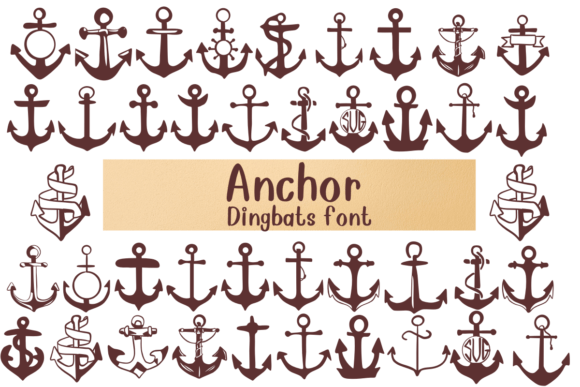
At first glance, you might think a dingbat font has limited use. But Anchor is designed with variety in mind. Each character in the font maps to a different anchor style, from classic, ornate designs to minimalist, modern interpretations. This means you can create a whole visual system using just one typeface. For a small business owner crafting a brand identity, or a designer working on a coastal-themed project, this kind of consistency is invaluable. You’re not just picking an icon; you’re selecting a design language that can scale across touchpoints.
What makes it visually appealing is the balance between playfulness and professionalism. The anchors range from bold, graphic forms to more delicate, sketched lines. This diversity allows the font to adapt to different moods. A whimsical, hand-drawn anchor might suit a children’s boutique or a beach café menu, while a sleek, geometric version could work for a maritime law firm or a high-end yacht charter service. The key is that you have options, and options mean creative freedom.
Practical Applications: Where Anchor Really Shines
Let’s talk about real-world use. A font like this isn’t just for occasional decoration—it can become a core part of your visual toolkit. Here’s how different professionals might leverage it:
- Branding and Logo Design: Imagine a seafood restaurant needing a logo that feels authentic and inviting. Using an anchor glyph as a monogram or icon instantly communicates the nautical theme. Pair it with a clean sans serif font for the name, and you have a balanced, memorable mark. For a brand identity system, the same anchor style can extend to business cards, menus, and signage, creating immediate recognition.
- Packaging and Merchandise: Product packaging for coastal goods, artisanal foods, or even craft beer can benefit from a distinctive anchor motif. It adds a layer of storytelling and perceived quality. On merchandise like tote bags, t-shirts, or mugs, a well-chosen anchor design acts as a subtle brand ambassador.
- Digital Presence: Social media graphics thrive on visual hooks. An anchor symbol can be used as a recurring element in Instagram stories, Facebook posts, or Pinterest pins to build a cohesive feed. On websites and blogs, it can serve as a bullet point, a section divider, or a decorative element in headers and footers, enhancing the user experience without cluttering the layout.
- Print and Editorial Design: Think beyond digital. Invitations for beach weddings, coastal events, or sailing clubs gain instant personality with a custom anchor. In editorial layouts, such as magazine features about travel or lifestyle, these glyphs can break up text and add visual interest. Posters and flyers for local regattas or seaside festivals become more engaging with a thematic typeface.
- Marketing and Digital Products: Consistency across marketing assets builds trust. An email newsletter header, a PDF download, or an online course about maritime history can all incorporate the same anchor style, reinforcing the subject matter professionally. For digital products like printable planners or wall art, the font offers a unique selling point.
Making It Work: Pairing, Readability, and Licensing
Using a specialty font effectively requires some strategy. First, consider your primary typeface. Anchor is a display font—it’s meant for headlines, icons, and decorative elements, not body text. For readability, always pair it with a highly legible serif or sans serif font for longer passages. A modern serif like Lora or a clean sans serif like Montserrat can complement the anchors without competing for attention. Test different pairings to see what feels right for your project’s tone.
Next, think about visual hierarchy. Use the anchors sparingly to create focal points. Overusing them can dilute their impact and make your design feel cluttered. A single anchor as a logo mark, a row of them as a border, or one as a social media profile picture can be more effective than scattering them everywhere.
Readability considerations extend beyond the anchor itself. If you’re using the font in a small size, ensure the anchor designs are distinct enough to be recognizable. Some of the more intricate styles might lose detail at very small scales. Review the included font styles—most premium fonts like this offer multiple versions (e.g., solid, outline, or distressed) that can solve this problem.
Finally, don’t overlook commercial licensing. If you plan to use the font for client work, merchandise, or digital products for sale, verify that the license permits it. Most reputable font marketplaces offer clear licensing tiers. This step protects both you and your clients, ensuring your professional presentation remains legally sound.
Building a Cohesive Visual Story
The true value of a typeface like Anchor lies in its ability to contribute to a larger narrative. In today’s crowded visual landscape, brands and creators need every advantage to stand out. A consistent, thematic font helps build brand recognition. When your audience sees that distinctive anchor across your website, your packaging, and your Instagram posts, they start to associate it with your identity. It becomes a visual shorthand for your style and values.
For entrepreneurs and small business owners, this kind of cohesion signals professionalism. It shows that you’ve thought carefully about your presentation, which can translate to greater audience engagement. A well-chosen font isn’t just about aesthetics; it’s about communication. It tells a story before a single word is read.
Whether you’re a designer exploring new typefaces, a blogger curating a coastal aesthetic, or a marketer launching a summer campaign, Anchor offers a specific and charming solution. It’s a reminder that the right design asset can simplify your workflow, elevate your projects, and give your work a distinctive voice that resonates. In a world of generic templates, a font with personality is a powerful tool indeed.