College Jersey: Capturing the Spirit of the Field in Your Designs
There is a specific feeling that hits you when you walk into a stadium or open a vintage yearbook. It’s the smell of popcorn, the roar of a crowd, and the distinct visual weight of heavy, blocky lettering on a cotton t-shirt. For designers and business owners, capturing that nostalgic, high-energy American athletic atmosphere can be a struggle. You often find yourself stuck between modern sans-serifs that feel too corporate and scripts that feel too whimsical. If you are looking to inject some raw, authentic spirit into your work, you need a typeface that carries the legacy of the field. This is where a specific style of typography shines—thick, retro, and undeniably bold.
More Than Just a Typeface: The Athletic Aesthetic
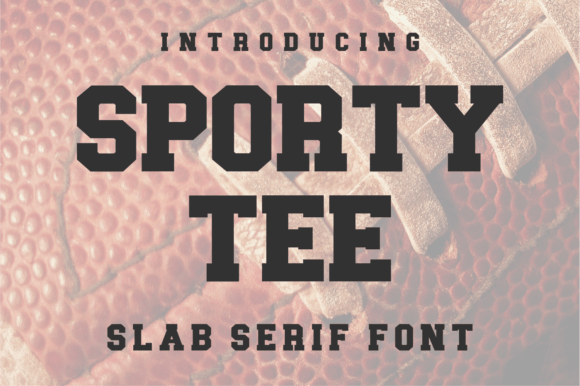
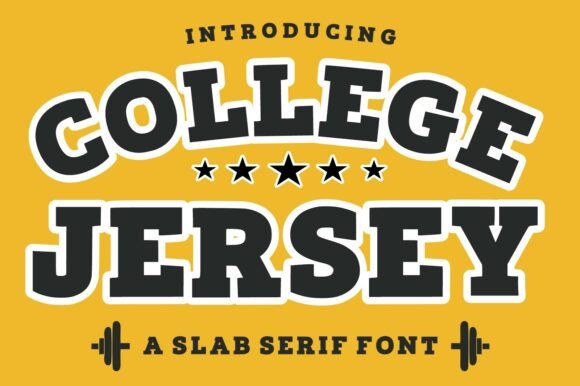
When we talk about the College Jersey font, we aren't just talking about a set of letters; we are talking about a design asset that functions as a time machine. Inspired by classic varsity sports typography, this is a bold slab serif that commands attention. Unlike the delicate serifs found in book publishing, a slab serif like this features thick, block-like projections that give the text a heavy, grounded appearance. It is the visual equivalent of a linebacker—strong, stable, and ready to tackle the viewer’s attention.
The design relies on "thick retro letterforms." In practical terms, this means the strokes of the letters are wide and uniform, providing excellent visibility even from a distance. This style is characterized by a strong athletic character, often mimicking the embroidery or chenille patches found on letterman jackets. For the modern designer, this font acts as a bridge between the past and present. It delivers that energetic, playful varsity style without looking outdated or pixelated on high-resolution screens. Whether you are working on a digital product or a physical piece of merchandise, the structural integrity of this typeface ensures your message is communicated with force.
From the Bleachers to the Boardroom: Practical Applications
While the name suggests a specific use case, the versatility of a premium display font like this extends far beyond sports branding. Its utility lies in its ability to evoke emotion—specifically, emotions tied to competition, teamwork, and victory. Here is how you can apply this font style across various creative and commercial projects:
- Logo Design and Brand Identity: If you are launching a brand that wants to appear established, rugged, or community-focused, this font is a solid choice for the wordmark. It works beautifully for gyms, craft breweries, food trucks, and outdoor apparel brands.
- Merchandise and Apparel: This is the font’s home turf. It is perfect for t-shirt designs, hoodies, and team jerseys. Because the letterforms are bold, they remain legible on fabric textures and look great when printed in distressed styles for a vintage effect.
- Packaging Design: For small business owners selling snacks, sauces, or energy drinks, a slab serif font signals "flavor" and "substance." It stands out on crowded shelves where minimalist, thin fonts might get lost.
- Posters and Editorial Layouts: Use it for headlines in magazine layouts or event posters. It creates a high-contrast hierarchy when paired with a lighter body text, guiding the reader's eye exactly where you want it.
- Social Media Graphics: In the fast-scrolling world of Instagram and TikTok, you have milliseconds to grab attention. Bold, retro typography stops the scroll. It is excellent for announcement graphics, sale banners, and hype posts.
- Web Design and Blogs: While usually too heavy for body copy, it serves as a powerful tool for H1 headers or hero section titles on a website, setting the tone immediately upon landing.
Strategic Typography: Building Recognition and Trust
Choosing a font is rarely just about aesthetics; it is a strategic business decision. When you use a typeface like College Jersey, you are leveraging the psychology of visual communication. Athletic typography is universally associated with positive traits like energy, reliability, and determination. By aligning your brand with these visual cues, you can subtly influence how your audience perceives your product.
Visual consistency is another major benefit. When you use a cohesive typeface across your marketing assets—from your email headers to your packaging—you build a recognizable brand identity. Customers begin to associate the shape of the letters with your specific service or product. This font, with its distinct personality, helps cement that recognition. It doesn't look generic; it has a "voice" that sounds loud and confident. This can significantly improve audience engagement, as people are naturally drawn to designs that feel polished and intentional rather than haphazard.
Making It Work: Pairing and Readability
A font this bold requires a thoughtful approach to layout. You wouldn't shout every sentence in a conversation, and you shouldn't use a heavy slab serif for every word in a design. The key to success with College Jersey is contrast and balance.
Because this typeface is a display font, it shines brightest in short bursts—headlines, logos, and short phrases. For body text, you need a partner that is more reserved. A clean sans serif font or a highly legible serif font works best. For example, pairing the heavy, blocky look of the jersey font with a light, geometric sans-serif (like Helvetica or Open Sans) creates a professional dynamic. The display font grabs the eye, and the body font delivers the detailed information without causing eye strain.
When testing your pairings, pay attention to "x-height" and weight. You want the secondary font to complement the primary one, not compete with it. If your header is a thick slab serif, try a regular or light weight for your paragraph text. Also, consider the color palette. This style of typography often looks best in high-contrast colors—white on navy, gold on black, or red on white—to mimic the classic sporting goods aesthetic.
Licensing and Technical Considerations
Before you finalize your design, it is crucial to understand the asset you are working with. As a commercial font, College Jersey typically comes with different licensing tiers depending on your needs. Whether you are a freelancer designing a logo for a client, or a corporation rolling out a global marketing campaign, you need to ensure your license covers your specific usage. Check if the license covers digital ads, print runs, and server usage if you plan to use it on a website.
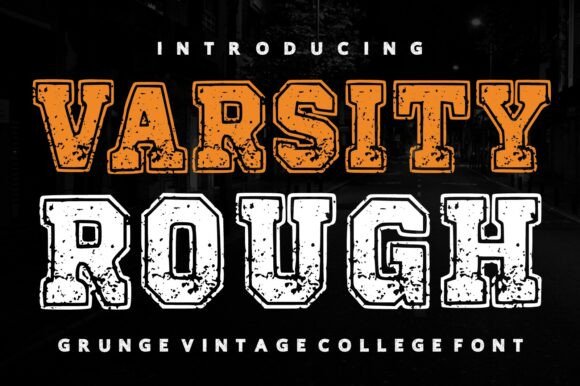
Additionally, review the included font styles. Many premium fonts come with variations such as italics, outlines, or distressed versions. These extras are valuable tools. A "distressed" or "vintage" style, for instance, can add instant texture to a logo, saving you the time of applying grunge overlays manually. Check for stylistic alternates as well—these are alternate versions of specific letters (like a fancy 'R' or 'G') that allow you to customize the look further and ensure your design feels unique.
Ultimately, the goal of any design asset is to serve the story you are trying to tell. College Jersey tells a story of heritage, energy, and boldness. It is a tool for creators who want to make a statement that feels both timeless and dynamic. Whether you are branding a local sports team, designing a vintage-style wedding invitation, or creating a poster for a community event, this typography style provides the solid foundation needed to make your work stand out.