Happy Day: A Typeface That Brings Holiday Magic to Every Design
There's something about the holiday season that makes everything feel a little more alive. The lights, the music, the warmth of a handwritten note tucked into a gift bag—it all carries a certain enchantment. And if you've ever tried to capture that feeling in a design project, you know how tricky it can be. A font might look festive on screen but fall flat in print. Or it nails the holiday vibe but becomes unreadable at smaller sizes. That's where the right typeface makes all the difference.
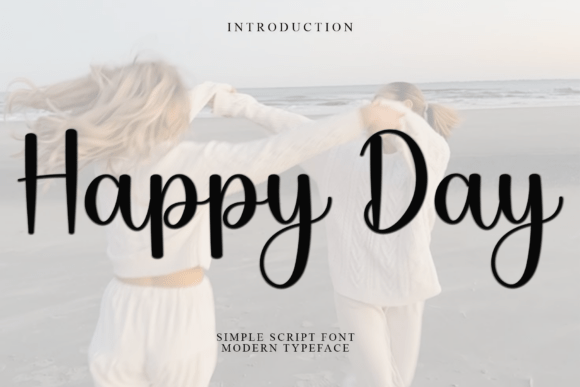
Happy Day is a decorative display typeface built for exactly these moments. It's whimsical, festive, and packed with personality—the kind of font that makes a greeting card feel personal, a gift tag feel thoughtful, and a social media post feel like it belongs in someone's holiday mood board. But beyond its visual charm, it's also a genuinely useful design asset for anyone working on seasonal branding, packaging, or marketing materials.
What Makes This Typeface Feel So Festive
Happy Day draws its energy from the visual language of celebration. Think hand-lettered holiday signs, vintage Christmas cards, and the kind of typography you'd see on a beautifully wrapped present. Its letterforms feature decorative flourishes, gentle curves, and a sense of movement that feels joyful without being overdone. It's not trying to be edgy or minimalist—it leans fully into the spirit of the season, and that's exactly what makes it work.
The font includes a full set of glyphs and ligatures, which means you're not limited to basic letterforms. Swashes, alternates, and stylistic variations give you room to customize each word or phrase, making your designs feel handcrafted rather than templated. And because it's PUA encoded, accessing those extra characters is straightforward, even if you're not a typography expert. Whether you're using design software like Adobe Illustrator, Canva, or Procreate, those special characters are right there when you need them.
Where Happy Day Shines: Real-World Applications
Let's talk about where this font actually works, because a beautiful typeface is only useful if it fits the project you're working on. Happy Day is a display font, which means it's designed for headlines, titles, and short bursts of text—not body copy. That distinction matters. You wouldn't set a full paragraph of product description in a decorative script, but you'd absolutely use it for the headline on a holiday sale banner or the front of a seasonal greeting card.
Here are some of the most effective ways to put it to work:
- Greeting Cards and Invitations: This is the font's natural habitat. Whether you're designing a Christmas card, a New Year's Eve invitation, or a holiday party flyer, Happy Day brings that hand-lettered warmth that makes recipients pause and appreciate the design.
- Gift Tags and Packaging: Small-format designs benefit enormously from a typeface with character. A gift tag printed with Happy Day feels intentional and personal, even if you printed fifty of them.
- Social Media Graphics: Holiday campaigns on Instagram, Pinterest, or Facebook need typography that stops the scroll. A festive display font paired with a clean sans serif for supporting text creates a balanced, eye-catching post.
- Logo Design and Brand Identity: If you're a small business launching a seasonal product line or a holiday pop-up shop, Happy Day can serve as the headline typeface in your visual identity. It works especially well for bakeries, gift shops, boutique retailers, and event planners.
- Website Banners and Blog Headers: A well-placed decorative font on a homepage banner or a holiday blog post header sets the tone immediately. Just make sure to pair it with a readable serif or sans serif font for the body text.
- Posters and Print Materials: From holiday market flyers to in-store signage, display fonts like Happy Day give print materials a festive edge that plain typography can't match.
- Merchandise and Digital Products: If you're selling printable wall art, mugs, tote bags, or digital planners, a premium font with strong visual personality helps your products stand out in a crowded marketplace.
Pairing Happy Day with Other Fonts
One of the most common mistakes in design is using a decorative font for everything. It's tempting—especially when the font is as charming as Happy Day—but restraint is what separates professional design from amateur work. The key is pairing.
A good font pairing creates contrast and hierarchy. Since Happy Day is a script font with decorative elements, it pairs best with something clean and neutral. A modern sans serif like Montserrat, Lato, or Open Sans gives the eye a place to rest after the flourish of the headline. If you prefer a more classic look, a simple serif font like Lora or Playfair Display can complement the handwritten quality without competing for attention.
Test your pairings at different sizes and on different backgrounds. A combination that looks great on a white desktop screen might lose clarity on a textured paper stock or a dark social media background. Print a test version if you're working on physical materials. Digital previews don't always tell the full story.
Readability and Practical Considerations
Happy Day is a display typeface, and that comes with responsibilities. Decorative fonts are powerful in small doses, but they can become difficult to read if overused or set too small. A general rule: if someone has to squint or re-read a word, the font isn't working for that context.
For print materials like greeting cards and posters, you typically have more flexibility with size and spacing. For digital use—especially on mobile screens—stick to headlines and short phrases. Use generous line height and letter spacing when needed to keep the text legible. And always consider your audience. If you're designing for an older demographic or a professional context, balance the festive flair with clarity.
Also worth noting: check the font's licensing terms before using it in commercial projects. Most premium fonts come with a license that covers both personal and commercial use, but the specifics vary. If you're selling products that feature the font—whether physical merchandise or digital downloads—make sure the license covers that use. It's a small detail that saves headaches later.
Building a Seasonal Brand Identity
For small business owners and content creators, the holiday season is a prime opportunity to refresh your visual identity. A typeface like Happy Day can serve as the centerpiece of a seasonal campaign—used consistently across your packaging, social media, email headers, and website graphics. That consistency builds recognition. When followers see that distinctive festive lettering in their feed, they immediately associate it with your brand and the season.
But seasonal branding doesn't mean abandoning your core identity. Think of it as a holiday outfit for your brand. You're still you, but with a festive twist. Pair Happy Day with your existing brand colors, logo, and secondary typefaces. Use it for the headline or the hero text, and let your everyday fonts handle the rest. That balance keeps your brand recognizable while still feeling fresh and timely.
Whether you're a designer crafting a client's holiday campaign, an entrepreneur launching a seasonal product, or a hobbyist making handmade cards for friends, the right typeface does more than look good. It communicates mood, sets expectations, and makes your work feel complete. Happy Day brings that festive, nostalgic magic to every project it touches—and sometimes, that's exactly what a design needs.