Hightone: Where Retro Soul Meets Modern Design Edge
There’s a particular feeling you get when a design just clicks—when the typography carries the weight of an entire visual identity without breaking a sweat. It’s that confident, slightly nostalgic yet undeniably current vibe that pulls your eyes straight to the headline. That’s the territory Hightone lives in. This isn’t just another typeface sitting quietly in your font library. It’s a deliberate design choice that announces itself the moment it hits the canvas.
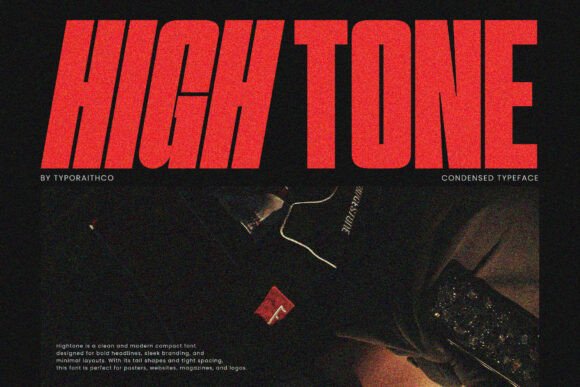
Hightone is a font duo built around two complementary styles: a Regular and an Italic/Slanted version. Together, they form a cohesive visual language that balances retro charm with clean, modern sensibility. The tall, tightly spaced characters create an immediate sense of rhythm and presence. Think of those vintage movie marquee letters that still feel electric decades later, or the sleek branding on a contemporary streetwear label. That duality—nostalgic and fresh, bold and refined—is exactly what this typeface delivers.
A Typeface That Commands Attention Without Shouting
What makes Hightone stand out in a sea of display fonts? It starts with proportion. The tall x-height and compressed letterforms give every word a sense of vertical energy. Text set in Hightone doesn’t just sit on the page; it occupies space with intention. The tight spacing between characters creates a cohesive block of type that reads as a unified visual element rather than a string of individual letters. That’s a powerful tool when you’re working with limited real estate—say, a social media graphic, a product label, or the hero section of a landing page.
The Regular style carries a straightforward, confident tone. It works beautifully for primary headlines, brand names, and any context where clarity and impact matter most. The Slanted variant introduces just enough movement to suggest energy and forward motion without sacrificing legibility. Used together, these two styles give you a built-in typographic hierarchy that simplifies layout decisions. You don’t need to hunt for a secondary typeface that might work. The pairing is already designed to feel harmonious.
Practical Applications Across Creative Projects
Let’s talk about where Hightone actually earns its place in your workflow. If you’re building a brand identity from scratch—whether for a boutique coffee roaster, a fitness studio, or an independent magazine—this typeface gives you a strong starting point. Its personality is distinct enough to be memorable but versatile enough to adapt to different brand voices. A synthwave-inspired event poster? Hightone nails the aesthetic. A minimalist fashion lookbook? Swap in the Slanted style for headings and pair it with a clean sans serif for body copy. The result feels intentional and polished.
For logo design, the font’s tight spacing and tall characters translate exceptionally well to marks that need to work at small sizes. Think about where your logo will actually live: a favicon, a social media profile image, a stamp on packaging. Hightone retains its character even when scaled down, which is something many decorative typefaces struggle with.
Here are a few more contexts where this font shines:
- Poster and album cover design where the typography itself becomes the focal point of the composition
- Packaging design for lifestyle products, cosmetics, or specialty foods that want a premium, curated feel
- Social media graphics where you need text to stop the scroll and communicate a mood instantly
- Website headers and hero sections that set the tone for the entire user experience
- Editorial layouts for magazines, lookbooks, or digital publications that blend storytelling with strong visual design
- Merchandise like t-shirts, tote bags, and stickers where bold type is the design itself
- Event invitations and marketing assets that need to feel both stylish and purposeful
Pairing Hightone With Other Typefaces
No font exists in isolation. Even a standout display typeface like Hightone works best when it’s part of a thoughtful typographic system. The good news? Its strong personality actually makes pairing easier because you know exactly what role it plays: the headline maker, the attention-grabber, the visual anchor.
For body text, look toward a clean sans serif font with generous x-height and open letterforms. Something like a geometric or humanist sans serif will complement Hightone’s tight structure without competing for attention. If your project leans more editorial or classic, a readable serif font for longer passages can create a sophisticated contrast. The key is balance. Let Hightone handle the heavy lifting at display sizes, and choose a quieter companion for everything else.
A few pairing principles worth keeping in mind:
- Contrast is your friend. Pair Hightone’s compressed, tall forms with something wider and more open for body text. This creates visual breathing room.
- Limit your palette. Two to three typefaces maximum is a solid rule for most projects. Hightone plus a versatile sans serif covers the majority of use cases.
- Test at actual sizes. A font pairing that looks great at 72pt on your screen might feel completely different at 14pt in a printed brochure. Always check how combinations perform in context.
- Consider weight and contrast. If Hightone is your bold, high-contrast headline, opt for a medium or regular weight companion rather than something equally heavy.
Readability and Licensing: The Practical Details
Because Hightone is designed as a display font, it’s built for headlines and short-form text rather than long paragraphs. That’s not a limitation—it’s a design intention. Display fonts prioritize personality and visual impact at larger sizes, and Hightone excels in that role. For extended reading, pair it with a typeface engineered for legibility at smaller point sizes. This division of labor is standard practice in professional typography and results in designs that are both beautiful and functional.
Before committing to any premium font for a commercial project, take a moment to review the licensing terms. Most quality typefaces, including design assets like Hightone, come with clear guidelines about how many users, devices, or projects the license covers. If you’re a small business owner using the font across your website, social media, and printed materials, make sure the license supports those applications. If you’re an agency or designer working on behalf of clients, confirm whether the license transfers or if each client needs their own. These details matter and save headaches down the road.
It’s also worth spending time with both the Regular and Slanted styles before settling on a direction. Sometimes the Slanted version adds just the right amount of dynamism to a project that feels too static with the upright style alone. Other times, the Regular’s grounded confidence is exactly what a brand needs. Experiment. Set real headlines. Mock up actual layouts. The best way to understand a typeface is to use it in the context of your specific project.
Making the Most of a Strong Visual Identity
Good typography does more than look appealing. It builds brand recognition over time. When your audience sees consistent, well-chosen type across your website, your Instagram posts, your product packaging, and your email newsletters, they start to associate that visual language with you. That’s the foundation of a strong brand identity—and it’s one of the most accessible ways for independent creators and small businesses to look established and trustworthy.
Hightone offers a shortcut to that kind of visual consistency. Its two matching styles give you enough range to create hierarchy and variety while maintaining a unified look. The retro-modern aesthetic taps into current design trends without feeling trendy in a way that’ll date quickly. And because it’s built for impact, it works hard for you in the spaces that matter most—those first few seconds when someone encounters your brand.
Whether you’re designing a synthwave event poster, launching a fashion label, building out a lifestyle brand, or creating digital products that need to stand out in a crowded marketplace, the right typeface is a quiet workhorse. It doesn’t just decorate your design. It communicates tone, establishes credibility, and helps your audience feel something about your brand before they read a single word of copy. Choose a creative font that does that heavy lifting for you, and you’ll find the rest of your design process flows more naturally.