Papers: A Bold Blackletter Font for Striking Designs
There’s a certain power in typography that commands immediate attention, a visual weight that speaks before a single word is read. Imagine a font that carries the grandeur of medieval manuscripts but is sculpted for the sharp edges of modern design. This is the essence of the Papers typeface, a vintage blackletter display font that doesn’t just sit on a page—it makes a declaration. For designers and creators seeking to inject a dose of historical drama and gothic allure into their work, this typeface offers a compelling solution, blending age-old craftsmanship with contemporary punch.
The Anatomy of a Commanding Typeface
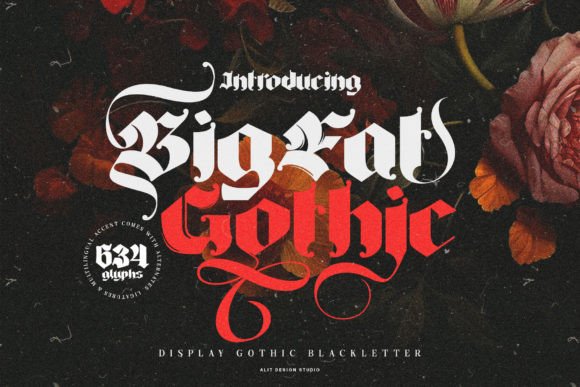
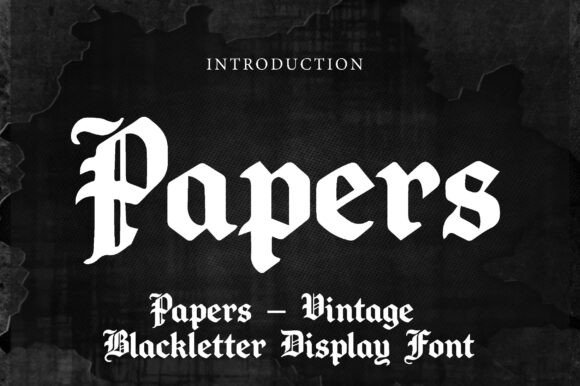
At first glance, Papers is defined by its bold, angular strokes and intricate blackletter architecture. Each letterform feels deliberately sculpted, echoing a heritage of calligraphic precision and woodcut printing. Yet, what sets it apart is its balance. It avoids becoming an illegible relic by incorporating a clarity and consistency that suits today’s fast-paced visual landscape. The characters—whether uppercase, lowercase, numerals, or punctuation—maintain a splendid equilibrium between flamboyant detail and stark simplicity. This isn't a font for whispering; it's designed for statements, ideal for projects where the typography itself becomes a central graphic element.
Where Gothic Drama Meets Modern Application
Understanding where a display font like Papers excels is key to unlocking its potential. Its strong personality makes it less suited for body text but perfect for capturing attention in specific, high-impact scenarios. Think of it as the typographic equivalent of a bold headline or a striking logo mark.
For branding and logo design, particularly for brands in the craft beverage, artisan goods, tattoo studio, or music industries, this typeface can establish an immediate identity of heritage, strength, and authenticity. It tells a story of tradition with an edge. In packaging design, especially for products like whiskey, specialty coffee, or handmade goods, it can elevate shelf presence, communicating a premium, handcrafted quality before the customer even touches the product.
Beyond physical products, its applications in editorial and poster design are vast. Magazine covers, event posters for music festivals, theatrical productions, or Halloween events can leverage its dramatic flair to create unforgettable visuals. In the digital realm, it can be a powerful tool for social media graphics—think Instagram story headers, YouTube thumbnails, or banner images that need to stop a scrolling thumb. For web design, it can be used sparingly but effectively in hero section headlines or artistic blog titles to create a memorable first impression.
Practical Guidance for Using a Display Font
Integrating a font with as much character as Papers requires a thoughtful approach to maintain readability and design coherence. Here’s how to harness its power effectively:
- Pairing is Everything: Never use a bold blackletter font for extended paragraphs. Its role is as a headline or accent font. Pair it with a clean, highly readable sans-serif font or a simple serif font for body copy. This contrast allows the display font to shine without overwhelming the viewer. For example, pairing Papers with a neutral sans-serif like Helvetica or a classic serif like Garamond creates a dynamic and balanced hierarchy.
- Context is King: Match the font’s personality to your project’s goal. It’s a superb choice for a craft brewery’s label, a band’s merchandise, or an event poster aiming for a vintage or edgy vibe. It might feel out of place, however, for a corporate financial report or a children’s educational website. Always ask: does this typographic voice align with my brand’s story?
- Test for Legibility: Always test your design at the intended size and in its final context. A font that looks magnificent as a large poster headline might become an unreadable blob as a small social media icon. Check how it renders on different screens and in print proofs. Pay close attention to the clarity of individual letters, especially in words with similar-looking characters.
- Explore the Full Character Set: A quality premium font like this often includes stylistic alternates, ligatures, or additional glyphs. Take the time to explore the full character map. These extras can add unique flair and customization to your designs, allowing you to fine-tune the typographic expression.
Building a Cohesive Visual Identity
The strategic use of a distinctive typeface like Papers contributes directly to stronger brand recognition and a more professional presentation. When used consistently across key touchpoints—your logo, website headers, packaging, and marketing materials—it becomes a recognizable signature element. This visual consistency helps build trust and makes your brand more memorable in a crowded marketplace.
However, achieving this requires discipline. Define clear rules for its use: specify which applications it’s for, what size range works best, and which secondary fonts it must always be paired with. This prevents the design from becoming chaotic and ensures the font’s dramatic impact is always intentional and controlled.
Making the Informed Choice
When selecting any commercial font, especially a creative font with a strong style, due diligence is crucial. First, verify the licensing. Ensure the license covers all your intended uses, whether for personal projects, client work, merchandise, or digital products. Most reputable foundries offer clear licenses for desktop, web, and app use.
Next, consider the broader typographic ecosystem. While Papers is a standout display font, you’ll need complementary fonts for your full design toolkit. A good starting collection might include a versatile sans-serif font for clean UI and body text, a script font for elegant accents, and perhaps a handwritten font for a personal touch. This variety allows you to tackle any project with the right typographic voice.
Ultimately, the best font is one that serves the project’s goals and resonates with its intended audience. Papers offers a specific, powerful voice—one of vintage grandeur and modern drama. For the right project, it can be the cornerstone of a truly compelling and influential visual identity, turning ordinary designs into statements that leave a lasting imprint.