Runner: The Dynamic Typeface for High-Speed Branding
You’ve seen them before—the logos for racing teams that feel like they’re already halfway down the track, or the sports headlines that practically vibrate with energy. That sense of motion isn't an accident; it’s a carefully crafted typographic choice. For designers and creators working in the automotive, athletics, or high-energy lifestyle spaces, finding a font that embodies speed and power without sacrificing clarity is a constant challenge. A typeface needs to do more than just spell out a name; it has to communicate an entire feeling in a split second. That’s where a specialized display font like Runner enters the conversation, offering a specific visual language for projects that demand a sense of forward momentum.
Anatomy of a Speed-Driven Typeface
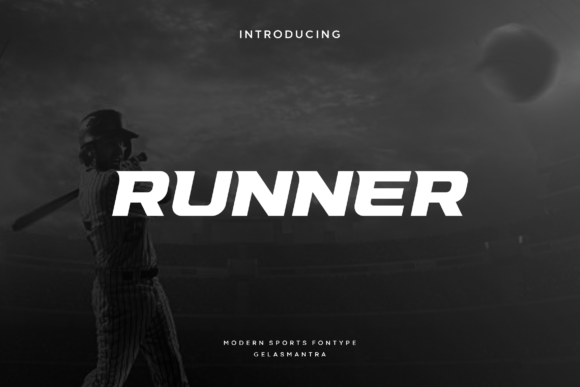
At its core, Runner is a premium display font engineered for impact. Its defining characteristics are immediately apparent: a pronounced italic slant, sharp, modern cutouts, and letterforms that seem to slice through space. The wide stance of the characters provides excellent stability, which is crucial for legibility even when the design is pushing the boundaries of dynamism. This isn't a subtle serif font or a friendly script; it’s a sans serif typeface with a clear mission. The slightly condensed proportions and aggressive angles work together to create a visual effect of acceleration. Think of the branding on a high-performance sneaker, the title card for a cycling documentary, or the logo for an indie racing game—Runner is built to thrive in those contexts. Its design strikes a practical balance, being fast and dynamic in spirit while maintaining a structure that ensures the text remains readable at various sizes, a key consideration for everything from a website hero banner to merchandise.
Where Motion Typography Truly Shines
The real value of a creative font like Runner is realized in its application. Its personality makes it a natural fit for specific, real-world projects where conveying energy is part of the brief.
- Brand Identity & Logo Design: For a new go-karting facility, a cycling apparel brand, or an automotive detailing service, Runner can form the bedrock of a strong visual identity. Its style immediately signals the brand's niche and values without a single word of explanation.
- Editorial & Packaging Design: Imagine the cover of a magazine about motorsports or the packaging for an energy drink. Using Runner for headlines or product names injects immediate excitement and aligns the product with an active, competitive lifestyle.
- Digital Presence & Marketing Assets: On social media, where grabbing attention is paramount, this typeface excels. It’s perfect for Instagram story headers, YouTube video thumbnails, and promotional graphics for events. For websites, it can be used strategically for hero sections, buttons, or feature titles to guide the user’s eye and set a dynamic tone. Paired with a clean sans serif or a simple serif for body copy, it creates a compelling visual hierarchy.
- Merchandise & Physical Goods: The bold, clear shapes of Runner translate exceptionally well to physical applications. Think custom t-shirts for a running club, decals for car enthusiasts, or event posters for a marathon. Its legibility ensures it works just as well on a small sticker as it does on a large banner.
Making Strategic Typography Choices
Choosing a font is a strategic decision that goes beyond personal taste. It’s about matching the tool to the job. Before selecting a typeface like Runner, clarify the project’s core goal. Is the primary message one of speed, innovation, reliability, or luxury? The typography must support that message. A font with this much character is best used for headlines, titles, and call-outs where its personality can be fully expressed without overwhelming a layout. For longer blocks of text, readability is the priority, making a more neutral companion font essential.
Effective font pairing is a skill worth developing. Try combining Runner with a geometric sans serif like Montserrat or a humanist sans serif like Open Sans. The contrast in personality—the high-energy display font versus the calm, readable workhorse—creates visual interest and improves overall usability. Always test your pairings in context. Mock up a social media post, a business card, or a website header to see how the fonts interact at actual sizes. Consider the full range of styles included in a font family. A good premium font might offer multiple weights or alternate characters, giving you more flexibility to fine-tune your designs. Finally, for any commercial project, always verify the licensing terms to ensure you have the proper rights for your intended use, whether it’s for digital products, client work, or merchandise.
In a crowded visual landscape, the right typeface acts as a silent ambassador for your project’s energy and intent. A well-chosen font like Runner doesn’t just display words; it performs them, offering a direct and powerful way to communicate with an audience that appreciates speed, modernity, and dynamic design. It’s a specific tool for a specific job, and when used thoughtfully, it can significantly elevate the professional presentation and audience engagement of your work.