Why Odont Is the Bold Typeface Your Brand Needs
Every brand, project, or piece of content has a voice. While the words you choose are critical, the visual representation of those words—your typography—speaks volumes before a single sentence is read. In a crowded digital landscape, settling for a standard, forgettable font can mean your message blends into the background. This is where a typeface with a distinct personality becomes not just an aesthetic choice, but a strategic one. For designers and creators seeking to make an immediate, powerful impression, a font like Odont offers a solution engineered for impact. It’s not just a set of letters; it’s a designed statement piece, crafted to be the visual anchor of your project.
A Typeface Built for High-Impact Moments
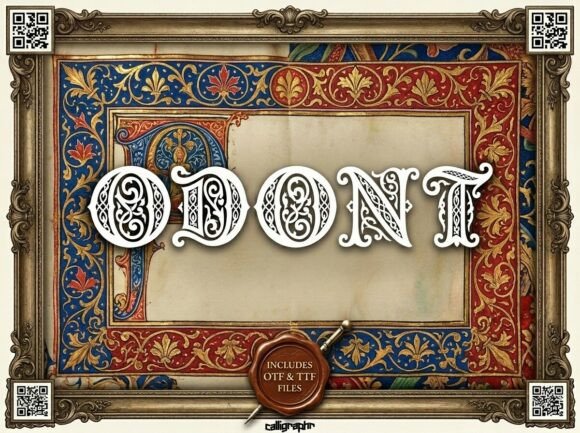
Odont is a decorative display font, meaning its primary purpose is to command attention in short, powerful bursts. Think of it as the headline act, not the supporting chorus. Its design features unique artistic elements—perhaps unconventional letterforms, dramatic strokes, or intricate details—that give it a strong, memorable visual personality. This isn’t a font for writing lengthy paragraphs of body copy. Its strength lies in its ability to transform a simple word or phrase into a visual landmark. The all-uppercase design reinforces this intent; every letter is treated as a standalone piece of art, ensuring a uniform, commanding presence from A to Z. This characteristic makes it particularly effective for applications where clarity and boldness are paramount, such as logos, event titles, or hero sections on a website.
Practical Applications Across Creative Fields
Understanding a font's ideal use cases is key to leveraging its power effectively. Odont’s versatile yet distinctive nature makes it a valuable asset across a wide spectrum of creative and commercial projects. Its polished finish ensures it doesn’t look amateurish, while its artistic flair guarantees it won’t be ignored.
- Brand Identity & Logo Design: A logo sets the tone for an entire brand. Odont can serve as the foundation for a logo that needs to feel contemporary, artistic, and confident. It’s excellent for boutique brands, creative agencies, or any business wanting to project innovation and style. When used for a brand name, it instantly builds a visual identity that’s hard to forget.
- Packaging & Product Design: On a shelf or in an online store, packaging has mere seconds to capture interest. Using a premium font like Odont for product names or key descriptors can elevate the perceived value of the item. Imagine it on a craft beer label, a cosmetic box, or artisanal food packaging—it communicates quality and creativity.
- Editorial & Print Layouts: In magazines, posters, or book covers, a striking display typeface can define the entire layout’s mood. Odont is perfect for chapter titles, pull quotes, or feature article headers, adding a layer of visual sophistication that draws the reader in.
- Digital Presence & Marketing: From website hero banners and blog post titles to social media graphics and digital ads, Odont ensures your key messages stand out. In the fast-scrolling environment of Instagram or Pinterest, a bold, custom-looking font can stop the thumb and boost engagement. It’s equally effective for email marketing headers or the titles of digital products like e-books and online courses.
- Events & Special Projects: For wedding invitations, concert posters, gala programs, or festival branding, a decorative font sets the celebratory or thematic tone. Odont can bring a modern, artistic edge to any special event’s collateral.
Making Informed Typographic Choices
Simply liking a font’s look isn’t enough; you need to consider how it functions within your project’s ecosystem. Here’s practical advice for integrating a display font like Odont into your workflow:
- Define the Project’s Goal First: Are you aiming for elegance, rebellion, warmth, or authority? The font’s personality must align with the message. Odont’s strong visual character suits projects that aim to be bold, modern, and artistic. It may not be the right fit for a traditional law firm’s primary brand font, but it could be perfect for a tech startup’s launch campaign.
- Master the Art of Font Pairing: A powerful display font needs a supporting cast. The most effective designs often pair a striking typeface like Odont with a cleaner, more neutral sans-serif or serif font for body text. This creates a hierarchy that is both visually interesting and easy to read. Test pairings to find a balance where Odont shines without overwhelming the rest of your content.
- Always Test for Readability in Context: While Odont is designed for clarity, always test your chosen text at the intended size and in the intended environment. A font that looks stunning on a large poster may become illegible as a tiny website button. Preview it on different screens and in mockups of your final product.
- Understand Your Files and Licensing: A professional font purchase typically includes essential file formats. The OTF (OpenType Font) file is ideal for most modern design software, offering advanced typographic features. The TTF (TrueType Font) file ensures broad compatibility across various operating systems and applications. Before purchasing any commercial font, always review the licensing terms to ensure they cover your intended use, whether it’s for a single client project or unlimited commercial work.
Choosing a typeface is a foundational design decision that influences perception, readability, and brand recall. A font like Odont provides a tool for creators who refuse to blend in. It’s about making a conscious choice to present your words with the same level of care and creativity as the ideas they represent. By understanding its strengths and applying it thoughtfully, you can harness its power to create designs that are not only seen but truly remembered. In the end, great typography is about effective communication, and sometimes, effective communication starts with a bold, confident voice.