Flashbit: Start Your Time Machine to the Y2K Era
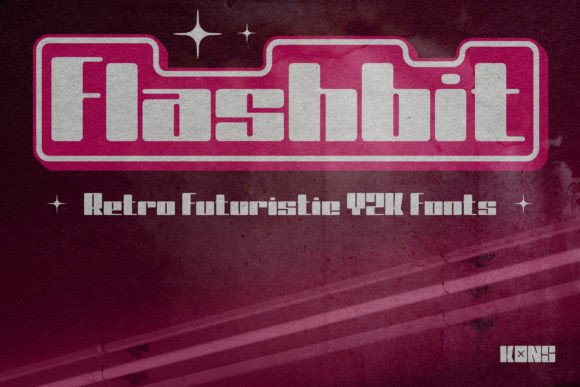
Remember the distinct hum of a dial-up modem connecting, the mesmerizing glow of a CRT monitor, and the sheer optimism of the early 2000s digital frontier? That was a time when design was unapologetically bold, digital, and bursting with a unique, almost tangible energy. Capturing that specific, nostalgic-yet-forward-looking aesthetic can be a challenge, but it’s exactly what the Flashbit font achieves. This isn't just a typeface; it's a direct portal to the Y2K era, a sophisticated retro-futurism style font inspired by the emerging digital world of visual graphics that defined the turn of the millennium.
The Visual DNA of a Digital Decade
What makes a font feel inherently "2000s"? It’s a blend of sleek, often geometric forms with a sense of playful innovation. Think of the typography you saw on posters for early CGI movies, the logos of burgeoning tech companies, or the vibrant packaging for snacks and cereals aimed at a digitally savvy generation. Flashbit embodies this with its clean, confident strokes and a distinct personality that balances readability with character. It’s a premium font that functions as a versatile display font, making it perfect for headlines and branding elements where you want to make an immediate visual impact. Its design carries echoes of both sans serif font clarity and the subtle flair of a script font, creating a hybrid look that feels both familiar and fresh.
This typeface doesn’t just mimic the past; it reinterprets it for modern use. The visual characteristics are tailored for today's high-resolution screens and print demands, ensuring your designs look crisp and professional. Whether you're working on logo design, editorial design for a magazine, or packaging design for a product, Flashbit provides a foundation of visual consistency that strengthens your overall brand identity.
Practical Applications: From Screen to Shelf
The true test of any creative font is its versatility across different mediums. Flashbit’s retro-futurism style makes it exceptionally adaptable for a wide range of projects, breathing life into concepts that need a touch of nostalgic innovation.
For branding and logo design, it offers a memorable voice. Imagine a boutique tech startup, a retro gaming lounge, or a fashion line inspired by Y2K aesthetics using Flashbit in their wordmark. It instantly communicates a brand story of innovation, nostalgia, and forward-thinking design. In packaging design, it can make products leap off the shelf—think of the bold typography on a limited-edition soda can, a box of futuristic-themed cereal, or the wrapper for a tech-inspired snack. The font’s presence can elevate a product from ordinary to a collector's item.
In the digital realm, its applications are just as broad. It’s a powerhouse for social media graphics, creating scroll-stopping posts, stories, and profile banners. For web design, it can be used for impactful hero sections, navigation menus, or call-to-action buttons that demand attention. Game designers will find it perfect for game asset creation—menu screens, in-game titles, and promotional posters for indie games can all leverage its unique style to build a cohesive and immersive world. Even for merchandise like t-shirts, posters, and stickers, Flashbit provides the visual punch needed to create desirable, marketable products.
Strategic Typography: Pairing and Professionalism
Choosing the right font is a strategic decision that affects how your audience perceives your message. Flashbit, as a strong display font, works best when paired thoughtfully. A common and effective practice is to use it for headlines and pair it with a clean, neutral sans serif font for body copy. This ensures your key messages pop while maintaining excellent readability for longer text blocks. For example, pairing Flashbit with a font like Helvetica or Arial for paragraph text creates a beautiful contrast that guides the reader’s eye.
When integrating it into a brand identity, consistency is key. Use Flashbit across all primary touchpoints—your logo, website headers, and marketing materials—to build strong brand recognition. Its distinct look will become synonymous with your brand’s personality. For professional presentation, whether in a pitch deck or a client proposal, using a well-chosen typeface like Flashbit for slide titles and section headers demonstrates attention to detail and a strong sense of style, enhancing overall audience engagement.
Considerations for Your Creative Toolkit
Before diving into a project with Flashbit, take a moment to review the included font styles. Does it come with multiple weights (light, regular, bold, black)? Are there italic versions? Understanding the full range of your design assets allows for more dynamic and hierarchical layouts. Test different weights to see how they affect the tone—lighter weights might feel more elegant, while bolder weights amplify the retro-futurism vibe.
Always consider the context of your project. While Flashbit excels in many areas, its strong personality might not be the best fit for a legal document or a medical brochure where extreme neutrality is required. Its strength lies in projects where style, nostalgia, and a digital aesthetic are assets. Furthermore, if you plan to use it for commercial projects, always verify the licensing terms of the commercial font you purchase. Most premium fonts come with licenses that cover a wide range of uses, from digital to print, but it’s crucial to ensure your specific application is covered.
In a design landscape saturated with minimalist and ultra-modern typefaces, Flashbit offers a compelling alternative. It’s a tool for designers, entrepreneurs, and creators who want to evoke a specific, powerful era—one of digital wonder and bold visual experimentation. By incorporating this modern typography into your work, you’re not just choosing a font; you’re adopting a piece of design history and repurposing it for the future.