Happyday: A Modern Script Font for Authentic Branding
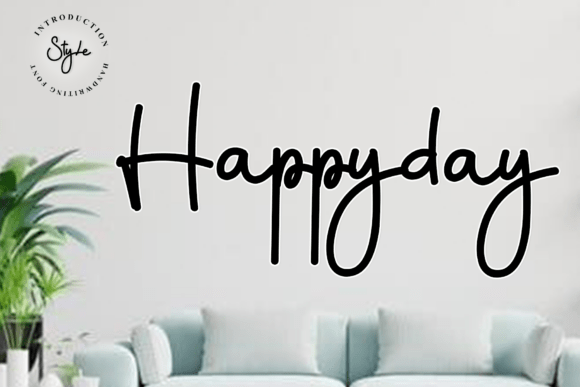
There’s a certain magic in a handwritten signature—the way it flows with personal rhythm, carrying a sense of authenticity that typed text simply can’t replicate. Imagine capturing that organic elegance and infusing it into your professional designs. That’s the heart of the Happyday font. It’s more than just a typeface; it’s a bridge between personal expression and polished, modern design. Its gracefully elongated strokes and smooth, generous curves create a sophisticated, signature look that feels both luxurious and approachably human. For anyone building a brand, designing a wedding suite, or crafting a social media post, finding a font that conveys warmth without sacrificing professionalism is a genuine challenge. Happyday steps into that space beautifully, offering a solution that feels both unique and incredibly versatile.
The Visual Language of Flow and Elegance
What sets a modern handwritten script like Happyday apart is its deliberate design. Unlike casual, messy handwriting fonts, it’s crafted with intention. The letterforms connect in a natural, flowing manner, creating a rhythm that guides the eye smoothly from one character to the next. This isn’t about mimicking a quick scrawl; it’s about presenting handwriting at its most composed and beautiful. The curves are generous, avoiding tight, cramped loops, which contributes to a feeling of openness and luxury. The elongated ascenders and descenders—the parts of letters like ‘h,’ ‘k,’ ‘y,’ and ‘g’ that extend above and below the main line—add a touch of drama and elegance, making it perfect for projects that need to stand out with a sweeping, authentic presence.
This careful balance means it functions as a premium font for creative work. It has the personality of a script font but the reliability of a professionally engineered typeface. When you use it, you’re not just choosing letters; you’re adopting a specific visual voice—one that speaks of creativity, attention to detail, and a naturally luxurious touch. This makes it a powerful tool in your design assets library, especially when you need to inject personality into a brand identity or add a human element to digital communications.
Where Happyday Truly Shines: Practical Applications
Understanding a font’s personality is one thing; knowing exactly where to deploy it is where the real value lies. Happyday’s elegant, flowing nature makes it exceptionally suited for projects where first impressions and emotional connection are key.
Personal Branding & Logo Design: For entrepreneurs, coaches, photographers, and artists, a logo is often the cornerstone of brand identity. A handwritten font like Happyday can instantly make a logo feel more personal and memorable. It’s perfect for a signature-style logo, especially for businesses built on a personal name or offering bespoke services. It communicates that there’s a real, creative person behind the brand, fostering trust and recognition.
Wedding & Event Stationery: This is a natural home for such an elegant script font. Think save-the-dates, invitations, menus, place cards, and thank-you notes. Its sophisticated flow adds a touch of romance and luxury that aligns perfectly with the significance of such events. It sets the tone for an elegant celebration before a single guest arrives.
Packaging & Product Design: For small-batch goods, artisanal products, or luxury items, packaging is a critical touchpoint. Using Happyday on labels, boxes, or tags can elevate the perceived value of the product. It suggests care, craftsmanship, and a story behind the brand, which is a powerful differentiator on a crowded shelf.
Digital Presence & Content: Online, standing out is everything. Integrating this creative font into your social media graphics—for quote cards, story templates, or promotional posts—can make your feed feel more cohesive and visually engaging. On a website or blog, it’s ideal for use in headers, pull quotes, or call-to-action buttons to draw attention and add stylistic flair, provided it’s used thoughtfully to maintain readability.
Smart Integration: Pairing and Readability
The true skill in using a strong display or script font lies in knowing how to balance it. Happyday is a display font at its core, meaning it’s designed for impact in larger sizes, like headlines, logos, and short phrases. Using it for long paragraphs of body copy would quickly become illegible and tire the reader’s eye.
The key to a professional layout is font pairing. The most effective strategy is to pair a expressive font like Happyday with a clean, highly readable neutral font. A simple sans serif font or a classic serif font for body text creates a beautiful contrast. The neutral font handles the heavy lifting of readable paragraphs, while Happyday provides personality and emphasis where it matters most. This pairing not only ensures your content is accessible but also creates a clear visual hierarchy, making your designs easier to navigate and more aesthetically pleasing.
Before finalizing any project, always test your chosen pairings. View them at different sizes and on various screens or in print if possible. Check the spacing (kerning) between specific letter combinations in your headline text, as some script fonts may need manual adjustment for perfect flow. This attention to detail is what separates good design from great design.
Beyond the Aesthetics: Licensing and Versatility
When investing in a commercial font, practical considerations are just as important as visual appeal. A robust font family will often include multiple styles to increase its utility. While the core of Happyday is its flowing script, look for any included variations—such as a more casual style, alternate characters, or stylistic sets that offer different swashes or connections. These extras can provide surprising flexibility, allowing you to customize the look for different clients or projects without switching fonts.
Equally crucial is understanding the licensing. Most premium fonts come with clear licensing terms that dictate how you can use them—for example, on websites, in digital products for sale, or on physical merchandise. Always review the license associated with any font you purchase to ensure it covers your intended use, whether for a personal blog, a client’s logo design, or a line of t-shirts. This due diligence protects your work and ensures you’re using the asset ethically and legally.
Ultimately, a typeface like Happyday is a tool for visual storytelling. It allows you to weave a thread of authenticity and elegance through your editorial design, marketing assets, or personal creations. By using it strategically—where it can shine without compromising function—you create work that doesn’t just look beautiful, but also communicates more effectively and resonates on a human level. It’s about finding that perfect typographic voice that feels both genuinely “you” and perfectly suited to your project’s goals.