Lonthe: A Modern Monoline Script for Authentic Branding
There’s a quiet power in handwriting. It feels human, immediate, and real. In a digital landscape saturated with bold, geometric typefaces, a font that captures the warmth of a personal note can stop someone mid-scroll. Lonthe is a monoline script font designed to do exactly that. It’s not about mimicking messy scrawl; it’s about delivering the elegance and consistency of a professional design with the authentic, approachable feel of a natural hand. For creators building a brand, this balance is everything.
The Anatomy of an Approachable Typeface
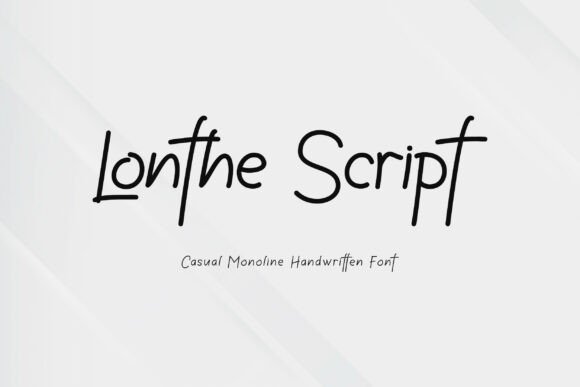
At its core, Lonthe is a study in balance. Its defining characteristic is the monoline stroke—each letterform is crafted with a consistent line weight, avoiding the thick-and-thin variation of traditional calligraphy. This creates a clean, modern aesthetic that feels both polished and relaxed. The letters connect with a smooth, flowing rhythm, ensuring legibility while maintaining that crucial handwritten quality. It’s this careful construction that makes it a versatile script font, moving beyond the limitations of more ornate or casual styles.
The personality of Lonthe is one of quiet confidence. It doesn’t shout for attention with dramatic swirls or exaggerated loops. Instead, its strength lies in its subtlety. The slightly rounded terminals and gentle curves give it a friendly, inviting demeanor. This makes it an excellent choice for projects where you want to convey warmth, authenticity, and a touch of modern sophistication. Think of it as the typographic equivalent of a firm, friendly handshake—it’s professional, but never cold.
Where Lonthe Truly Shines: Practical Applications
The true test of any creative font is how it performs in the wild. Lonthe’s balanced design allows it to adapt across a surprising range of contexts, making it a valuable asset in a designer’s toolkit.
For logo design and brand identity, Lonthe offers a distinctive voice. It’s particularly effective for brands in the lifestyle, wellness, beauty, and artisanal food spaces. A coffee roaster, a boutique skincare line, or a wedding photographer could use it as a primary logotype to instantly communicate a personal, handcrafted ethos. Paired with a clean sans serif font for body text, it creates a dynamic and readable typographic hierarchy.
In packaging design, this typeface can elevate a product from shelf to story. Imagine it on a label for small-batch jam, a box for handmade candles, or the branding for a premium tea collection. It adds a layer of perceived care and quality, suggesting that a real person is behind the product. This connection is invaluable for building brand loyalty.
The digital realm is where Lonthe’s versatility truly comes alive. For social media graphics, it cuts through the noise. Use it for Instagram quotes, Pinterest pins, or Facebook headers to add a personal, engaging touch that feels less corporate and more conversational. On websites and blogs, it works beautifully for hero sections, pull quotes, or section headers, guiding the reader’s eye and breaking up blocks of standard text. Its readability at various sizes ensures it remains functional, not just decorative.
Beyond the screen, Lonthe translates well to print. It’s an excellent choice for editorial design, adding personality to magazine features or book chapter titles. For marketing assets like flyers, postcards, and presentation title slides, it provides a professional yet approachable look. Even for merchandise—think tote bags, mugs, or apparel—it carries that same authentic charm.
Making Lonthe Work for You: Practical Design Tips
Choosing the right font is only half the battle. Using it effectively is what sets good design apart. Here’s how to integrate Lonthe into your projects with intention.
Pairing with Purpose. A script font like Lonthe rarely works alone in long-form text. Its strength is in headlines, logos, and accents. For a cohesive look, pair it with a neutral, highly readable typeface. A geometric sans serif like Montserrat or a humanist sans like Lato creates a clean, modern contrast. For a more classic or editorial feel, a simple serif font like Lora or Merriweather can provide a beautiful counterbalance. Always test your pairings at the actual size they’ll be viewed.
Prioritize Readability. While Lonthe is designed for clarity, context is key. Avoid setting entire paragraphs in a script font. Use it for short, impactful phrases. Ensure there is enough contrast between the text color and the background. When using it on a website, consider the line height and letter spacing to ensure the connected letters don’t feel cramped, especially on mobile devices.
Understand the Licensing. Before using any commercial font, always review the license. Most premium fonts, including Lonthe, require a license for commercial use—whether for a client project, a product you sell, or a monetized blog. The license typically covers the number of users or projects. This isn’t just a legal formality; it’s an ethical practice that supports the designers who create these valuable design assets.
The Final Word on a Thoughtful Typeface
In the end, Lonthe is more than just a set of letters. It’s a tool for communication that carries a specific emotional weight. It allows designers, entrepreneurs, and creators to inject a dose of humanity into their work without sacrificing professionalism. In a world where consumers crave authenticity, a font that feels genuinely crafted can be a quiet but powerful differentiator. It’s about choosing typography that doesn’t just look good, but feels right for the story you’re trying to tell.